Bedding · Mattress fit
Wool-Filled Toppers: Cushioning, Care, and Temperature Balance
A wool-filled topper can soften the first impression of a bed, absorb some of the moisture released during sleep, and help moderate the feel of the surface through changing conditions. It is a comfort layer, not a replacement for a mattress’s support—and its performance depends on the wool, the fabric around it, the way it is secured, and how it is cared for.
A thin layer with a particular job
A mattress is a small landscape of materials: a support core beneath layers that cushion, contour, and spread pressure. A topper sits at the surface of that landscape. It can make a bed feel a little softer or more yielding, but it generally cannot correct a mattress that sags, lacks adequate support, or is the wrong size for the people sleeping on it.
Wool-filled toppers occupy a distinct place among these layers. They are often chosen not for dramatic, deep cushioning, but for a gentler change in surface feel and the natural capacity of wool fibers to take up and release moisture. That distinction matters. Someone hoping to transform a very firm bed into a plush one may need more substantial cushioning; someone seeking a modestly softer, less clammy surface may find a thinner wool layer more relevant.
“Topper” and “mattress pad” are sometimes used interchangeably in everyday conversation, though products sold under those names can differ in thickness, fill, construction, and intended effect. A dense wool pad may feel more like a protective, softly padded layer than a lofty topper. Reading the product specifications is more useful than relying on the label alone.
The best starting point is the bed itself. Consider whether the mattress remains supportive, whether its surface feels too firm or too warm, and whether the discomfort is localized or widespread. A topper can change the uppermost feel; it cannot repair a worn-out support core or solve every cause of disturbed sleep.
What wool contributes to the sleep surface
Wool fibers have a naturally crimped structure, and the material can absorb moisture vapor while still feeling relatively dry to the touch. This property helps explain wool’s long use in clothing and bedding. At night, the body and bedding exchange heat and moisture with the room. A wool layer can influence how that exchange feels, but it does not function as a thermostat, nor can it guarantee that every sleeper will stay cool or warm.
Temperature comfort is the result of a whole system: the sleeper, room conditions, mattress materials, sheets, blankets, sleepwear, and airflow. A wool topper is one part of that system. Its effect may be noticeable to a person who tends to feel clammy on a surface that holds warmth, but another sleeper may experience little change. A breathable cover, suitable blankets, and a comfortable room still matter.
Wool also compresses under weight. The amount of cushioning depends on how much fiber is used, how densely it is arranged, whether it is quilted or otherwise held in place, and how the topper is constructed. A wool-filled product may feel resilient and softly padded without delivering the deep, slow contour of some foam layers. The feel is not simply a matter of “soft” or “firm”: thickness, density, and the mattress beneath it all contribute.
Some descriptions use the word “natural” as though it alone predicts comfort or performance. It does not. Fiber origin, processing, shell fabric, stitching, and care instructions are all practical details worth examining. Likewise, terms such as “temperature regulating” describe a possible material behavior, not a medical outcome or a promise of a particular sleep temperature.
Fill, shell, and construction: what to inspect
When comparing a wool mattress topper, look beyond the headline material. The construction determines whether the fill stays evenly distributed, how the layer sits on the bed, and what maintenance it requires. Product descriptions may list a percentage of wool, a blend, or a shell material; the details can distinguish one kind of surface from another.
- Fill composition: Check whether the fill is all wool or a blend, and whether the product description identifies other fibers. Blends can change resilience, loft, and care needs.
- Amount and distribution: A stated fill weight, where provided, can help compare products. Quilting or compartment construction can help keep fibers from migrating, though stitching patterns and overall thickness also affect the feel.
- Shell fabric: Cotton is a common shell material. Its weave, weight, and finish affect the handfeel and how the fill is contained. A shell is also part of the barrier between the sleeper and the filling.
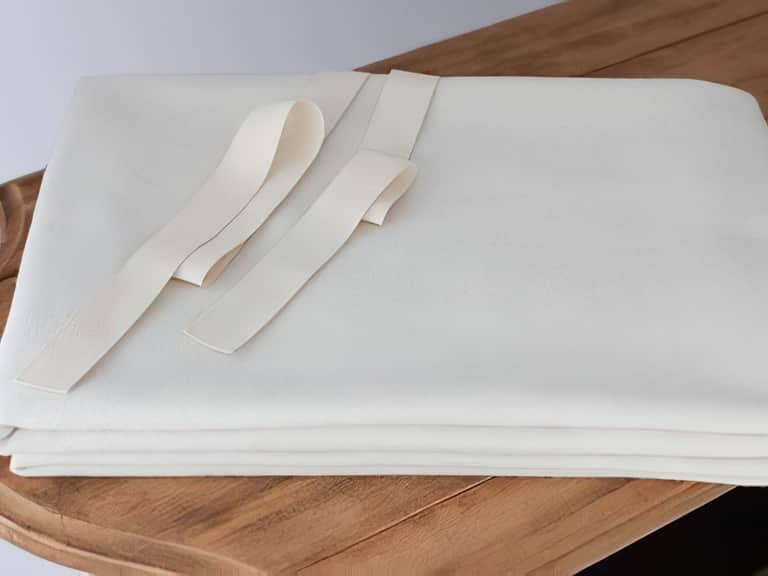
- Attachment: Corner straps, elastic, or a fitted skirt can help a topper remain in place. Check the mattress depth the attachment is designed to accommodate, particularly if the mattress is tall or has a pillow-top profile.
- Dimensions: Confirm the actual size rather than assuming every product follows identical measurements. A layer that is too small may shift or leave areas uncovered; an oversized layer can wrinkle beneath the sheets.
- Care method: Hand washing, machine washing, line drying, and dry cleaning are not interchangeable. Follow the instructions for the specific item rather than general advice for wool.
As an example of how these details appear in a product description, the Savvy Rest Wool Mattress Pad is described as a densely woven, moisture-resistant wool pad with removable cotton corner ties, fitting mattresses up to 14 inches deep. Its care instructions specify hand washing in mild detergent and line drying. Those particulars make it important to think of it as a care-specific wool pad, rather than assume it can be laundered like ordinary sheets.
Descriptions should be read as specifications, not as a substitute for personal fit. A stated depth limit helps establish compatibility, while actual mattress dimensions and the product’s attachment style determine how securely it will sit. If the bed has an unusually deep profile, adjustable base, or split configuration, confirm the fit before using a topper.
How a topper can change mattress fit
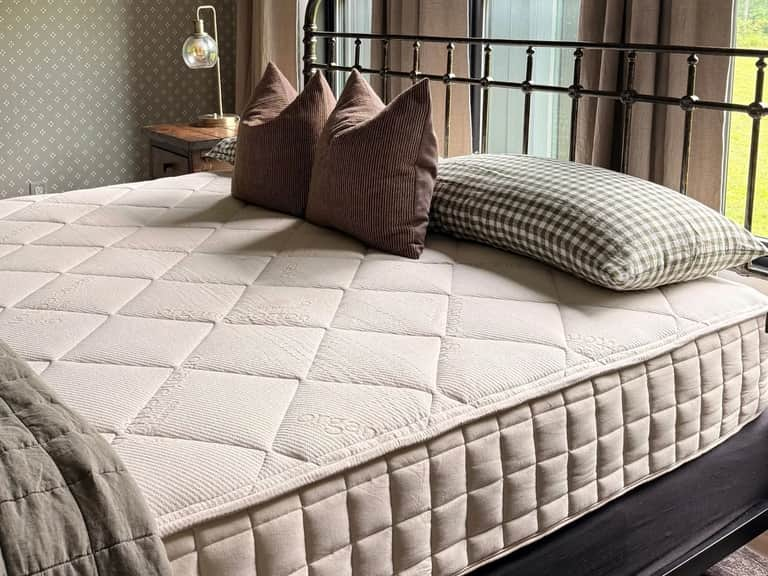
Mattress fit is about the relationship between the sleeper and the entire sleep surface. It includes room to move, sufficient support, and a surface feel that suits a person’s build and preferred sleeping position. Adding a topper changes the surface layer, so it can alter the way the body settles into the bed—even when the underlying mattress remains unchanged.
For side sleepers, a modestly cushioned surface may help reduce the sense of pressure at the shoulder and hip, but the right amount depends on the sleeper and the bed. For back sleepers, a new layer should not create a pronounced hammock-like dip. Stomach sleepers often prefer a surface that does not allow the hips to sink excessively. These are useful considerations rather than rigid rules: comfort and alignment vary among individuals.
A wool layer usually offers a different response from a thick foam topper. It may add a softer buffer, but it should not be assumed to provide the same degree of contouring or pressure relief as a more substantial foam layer. If a mattress is already sagging, adding wool can cover the surface without restoring the support beneath it. Persistent discomfort is a reason to reassess the full sleep setup, not simply to add more layers.
Layer height also affects practical fit. A topper raises the bed surface, which can change the feel of fitted sheets, mattress protectors, and bed frames. Check that sheets still have enough depth, that the topper does not slide when the bed is adjusted, and that it does not interfere with a mattress warranty or care requirement. If a waterproof protector is used, consider the order of layers and the protector’s fit range so the ensemble is not stretched or bunched.
For couples, a shared topper can soften the entire bed, even if only one person wants a change. Differences in body weight, preferred position, and heat comfort can lead to different impressions of the same surface. Before adding a layer, discuss what each sleeper is trying to change. A single topper may be a useful shared adjustment, but it is not automatically the best answer to two different comfort needs.
Temperature balance without overpromising
Wool’s moisture-handling characteristics can contribute to a surface that feels less damp, but “temperature balance” is not a fixed result. A sleeper who wakes hot may be responding to room temperature, heavy bedding, a mattress that retains heat, sleepwear, or several factors at once. A wool-filled topper may help change the feel of the bedding ensemble, yet it cannot remove heat from a room or correct every source of overheating.
Try to make changes in a measured way. If the bed feels too warm, first consider the easiest variables: reduce blanket weight, choose breathable sheets, improve room ventilation where practical, and notice whether the mattress protector or other layers feel restrictive. A topper adds another layer, so it should be evaluated in the context of everything already on the bed.
Seasonal differences are worth observing, too. The same wool pad may feel different in a cool room under light bedding than in a warm room beneath several heavy blankets. If the sleep environment changes substantially between seasons, assess the whole setup rather than expecting one material to perform identically year-round.
People with allergies or sensitivities should consider their own needs and the product’s material and cleaning information. Wool’s natural properties do not establish that a particular product is suitable for every individual. Review the shell, fill, treatments if disclosed, and care method, and seek qualified medical guidance for health concerns rather than treating a bedding choice as a remedy.
Care: protect the fiber and the shape
Wool products need care that matches their construction. Some can be washed gently; others are intended for hand washing, spot cleaning, or professional cleaning. Heat, vigorous agitation, inappropriate detergents, and prolonged moisture can damage or distort wool. A care label is therefore part of the product’s performance information, not a minor footnote.
Before cleaning, check whether the topper is removable from its cover and whether the instructions apply to the entire item or only to a particular component. Do not assume that a wool-filled article can go into a standard wash cycle simply because another wool product can. If the care directions call for hand washing and line drying, follow those directions and allow the item to dry thoroughly before returning it to the bed.
Regular airing may help keep bedding fresh between washes, but avoid leaving wool in harsh direct sunlight or damp conditions for extended periods. If the topper becomes wet, address the moisture promptly and dry it fully according to the manufacturer’s guidance. A damp, heavy layer should not be put back beneath sheets, where airflow may be limited.
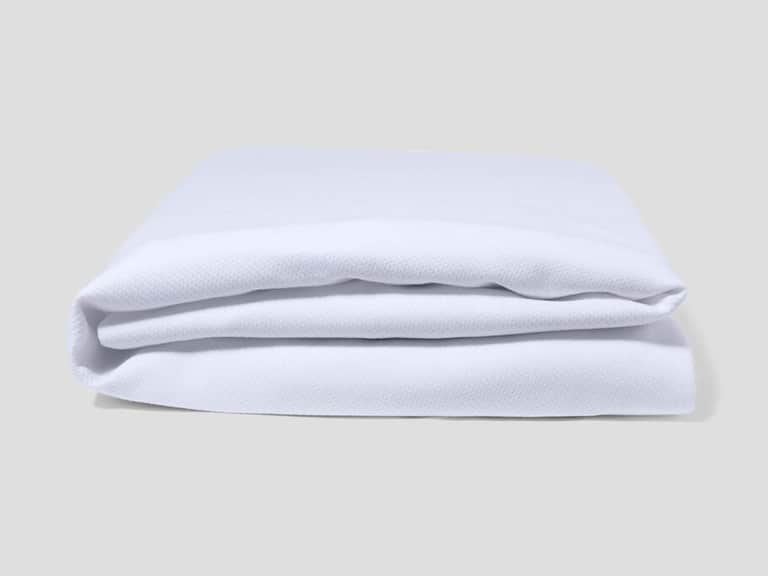
Use a mattress protector when appropriate to reduce everyday exposure to spills, perspiration, and soil. The protector should fit the mattress and topper arrangement without compressing or bunching the wool layer. A protector is not a guarantee against every spill, and its own washing instructions still apply. Careful layering can make routine upkeep easier without changing the topper’s intended feel.
Store a wool topper clean and completely dry in a breathable storage bag or other suitable container. Avoid compressing it for long periods if that would flatten the fill, and keep it away from damp storage spaces. Periodically check straps, seams, and quilting for wear. Gentle handling can help preserve the layer’s structure over time.
A practical way to decide
Choosing a wool-filled topper is easier when the goal is specific. “Better sleep” is too broad to guide a comparison; “the surface feels a little too firm at my shoulder” or “I want a removable layer that follows these care instructions” is more useful. Before making a decision, note what the current bed does well and what you want to change.
- Check the mattress first. Confirm that it is level, appropriately supported, and not visibly sagging. A topper is not a structural repair.
- Name the desired change. Decide whether you want a modestly softer feel, a moisture-managing layer, a protective pad, or a combination of these functions.
- Compare specifications. Review fill, shell, thickness or fill weight if provided, construction, dimensions, and attachment method.
- Match care to your routine. Consider whether hand washing, line drying, or another specified method is realistic for your household.
- Check the complete bedding stack. Account for mattress depth, sheets, protectors, blankets, and any adjustable-base movement.
- Evaluate after use. Give yourself time to notice whether the surface feels better, worse, or simply different. Avoid adding several new layers at once, which makes it harder to identify what changed.
For a useful comparison, record a few nights of observations before and after a change: sleep position, room conditions, bedding layers, and where discomfort occurs. This is not a clinical test, but it can help separate a lasting pattern from a single unusual night. If pain is persistent or worsening, consult an appropriate health professional; a mattress accessory should not replace medical evaluation.
Common assumptions to set aside
“A topper can fix any mattress.” It can alter the feel of the top layer, but it cannot restore a broken or sagging support system.
“Wool always sleeps cool.” Wool can absorb moisture vapor and may help the surface feel more comfortable, but the result depends on the sleeper, room, mattress, shell, and bedding layers.
“Natural means maintenance-free.” Natural fibers still need appropriate cleaning and drying. Some wool-filled products require more careful upkeep than washable synthetic bedding.
“More thickness means a better fit.” Thickness may add cushioning, but excessive softness can change alignment or make it harder to move. Match the layer to the comfort problem rather than choosing by loft alone.
“One firmness suits every sleeper.” Body shape, weight, position, personal preference, and the mattress underneath all influence how a layer feels. Product labels cannot replace a thoughtful fit assessment.
The quiet value of the right layer
A wool-filled topper is a relatively small part of a bed, yet it sits at the point where sleeper and mattress meet. Its purpose is not to transform every aspect of sleep. Rather, it may provide gentle cushioning, influence how moisture is managed, and make the surface feel more compatible with a particular sleeper’s preferences.
The most useful choice is one that fits the mattress, suits the intended change, and can be cared for as directed. Look carefully at fill and shell, check the attachment and dimensions, and treat temperature claims as a description of material behavior rather than a guarantee. Above all, judge the topper as part of the complete sleep system—not as a stand-alone solution to problems that begin elsewhere.
When expectations are modest and the details are clear, a wool layer can become a considered adjustment to the bed: a little more softness, a different surface feel, and a material whose moisture behavior may contribute to comfort through the night.